
Stops winter heat loss through the ceiling
Up to 35 percent of heat escapes through uninsulated ceilings. Batts fitted between joists create a thermal barrier that keeps warmth inside during Melbourne’s cold winters.
Essendon North
Bulk insulation traps still air to slow heat flow through ceilings, walls and floors. Expert Insulation Melbourne installs glasswool, polyester and rockwool batts in Essendon North homes to cut winter heat loss and summer heat gain.
Share your details and Expert Insulation Melbourne will contact you about Bulk Insulation in Essendon North.
Bulk insulation uses dense batts of glasswool, polyester or rockwool to resist heat transfer. In Essendon North’s older brick and weatherboard homes, it is fitted between ceiling joists, inside wall cavities during renovations and under suspended timber floors to improve thermal resistance.
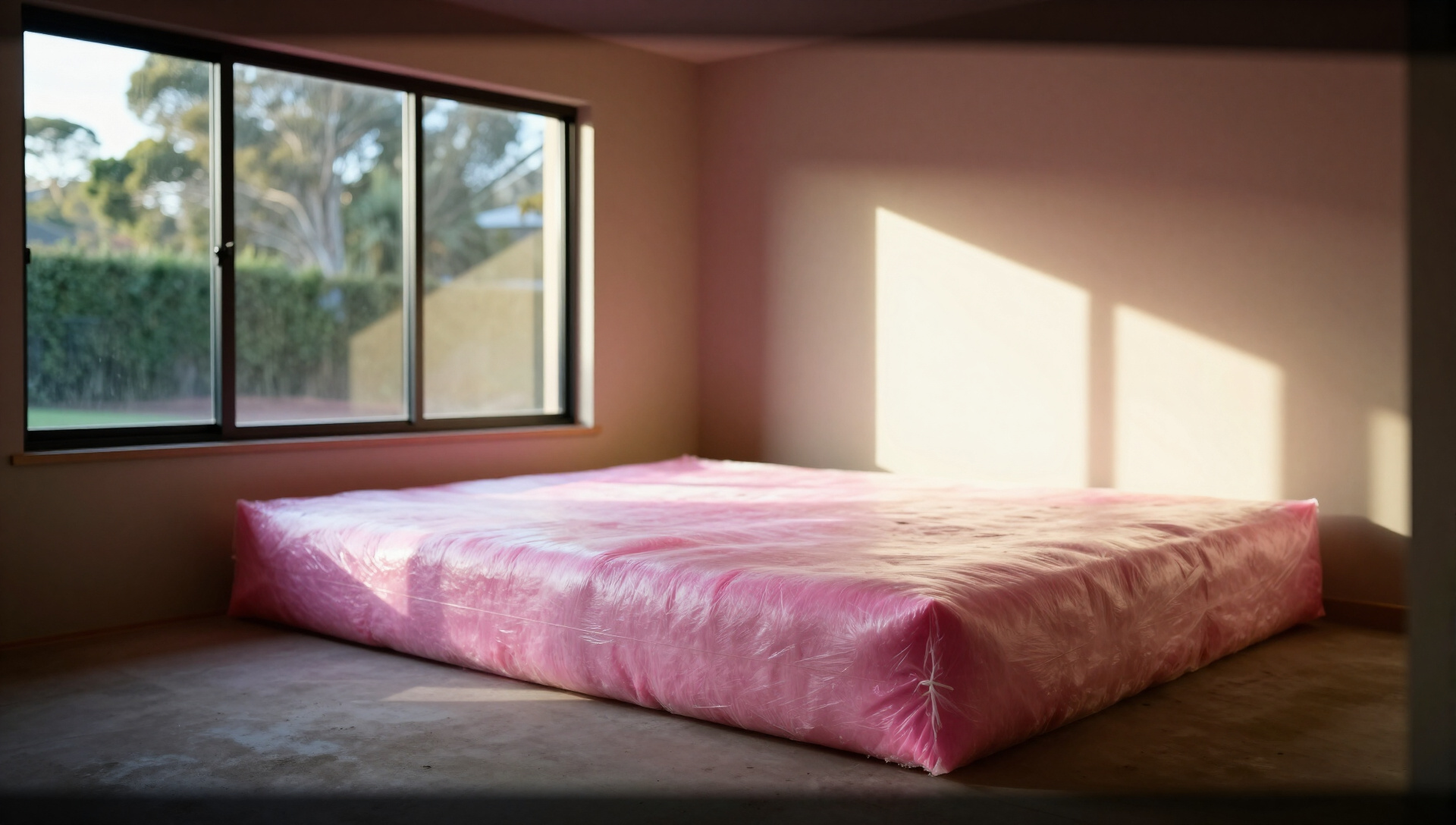
Essendon North’s mix of interwar bungalows and postwar brick homes often lacks sufficient insulation. Bulk batts address the main paths of heat loss and gain, improving comfort and lowering energy bills.
Up to 35 percent of heat escapes through uninsulated ceilings. Batts fitted between joists create a thermal barrier that keeps warmth inside during Melbourne’s cold winters.
Hot northerly winds push heat through roofing into the living space. Bulk insulation in the ceiling slows this transfer, keeping interiors cooler without overworking air conditioning.
Underfloor batts fitted between floor joists in suspended timber floors stop cold air rising through gaps. This fixes cold floors and draughts in older Essendon North homes.
Dense batts absorb airborne noise between rooms and from outside. This is useful for homes near busy roads or in denser pockets of Essendon North.
Bulk insulation can be added to most existing homes without major changes. Ceiling batts go in through the manhole, wall batts fit during renovations and underfloor batts are installed from the subfloor.
Quality batts retain their thickness and R-value for decades if kept dry. They do not settle or compress like loose-fill materials, maintaining consistent thermal resistance.
We follow a straightforward process to ensure the batts are fitted correctly, with no gaps or compression, and with all required clearances maintained.
We check the roof space, wall cavities or subfloor for access, existing insulation and any obstacles like cables or downlights. We measure the area to calculate the quantity of batts needed.
You select glasswool, polyester or rockwool and the R-value that suits your budget and comfort goals. Ceilings commonly use R4.0 to R6.0, walls R2.0 to R2.7 and underfloors R1.5 to R2.5.
We clear dust and debris from the roof space or subfloor. If old batts are compressed, wet or damaged, we remove them first. We ensure clearances around downlights, flues and electrical cables are maintained.
Batts are cut to fit snugly between joists or studs without gaps or compression. We work around pipes, wires and other services. After installation, we remove all offcuts and vacuum the area.
Essendon North sits between the airport and inner northern suburbs, with a mix of interwar bungalows, postwar brick homes and newer infill. Many of these properties have little or no insulation, leading to high heating costs in winter and overheating in summer. Bulk insulation in ceilings, walls and floors addresses these issues, improving comfort and reducing energy use.
Improve thermal comfort in Essendon North with bulk insulation for ceilings, walls and floors.
Homeowners in Essendon North often ask about the best R-value, whether existing batts can be topped up and how long installation takes.
Expert Insulation Melbourne installs bulk insulation in Essendon North to reduce heat loss and gain through ceilings, walls and floors. Bulk batts made from glasswool, polyester or rockwool trap still air, providing thermal resistance measured by R-value. In Essendon North’s older homes, this is a cost-effective way to improve comfort and cut energy bills.
Ceiling insulation is the priority for most Essendon North properties, as the roof space is the main path for winter heat loss. Batts are fitted between ceiling joists, with care taken to maintain clearances around downlights and flues. Wall insulation is added during renovations or extensions, while underfloor batts are installed from the subfloor in homes with suspended timber floors.
The R-value you choose affects performance and cost. Ceilings in Melbourne typically use R4.0 to R6.0, walls R2.0 to R2.7 and underfloors R1.5 to R2.5. Higher R-values provide better thermal resistance but require thicker batts. Our team advises on the best option for your home and budget.
Call Expert Insulation Melbourne on 0399695249 or email info@expertinsulationmelbourne. com. au to discuss bulk insulation for your Essendon North home.