
Warmer floors in winter
Insulation under the floorboards stops cold air rising through gaps and cracks. Rooms feel warmer at floor level, so you can set the heater lower and still stay comfortable.
Essendon North
Underfloor insulation stops cold draughts rising through suspended timber floors in Essendon North homes. We fit bulk batts between floor joists from the subfloor to warm your floors and cut heating costs.
Share your details and Expert Insulation Melbourne will contact you about Underfloor Insulation in Essendon North.
Essendon North has many postwar brick and weatherboard homes on stumps with suspended timber floors. Without insulation under these floors, cold air rises through gaps in the floorboards, making rooms feel chilly and forcing heaters to work harder. Underfloor insulation fills the space between joists with bulk batts to block draughts and add thermal resistance. Typical R-values for underfloor range from R1.
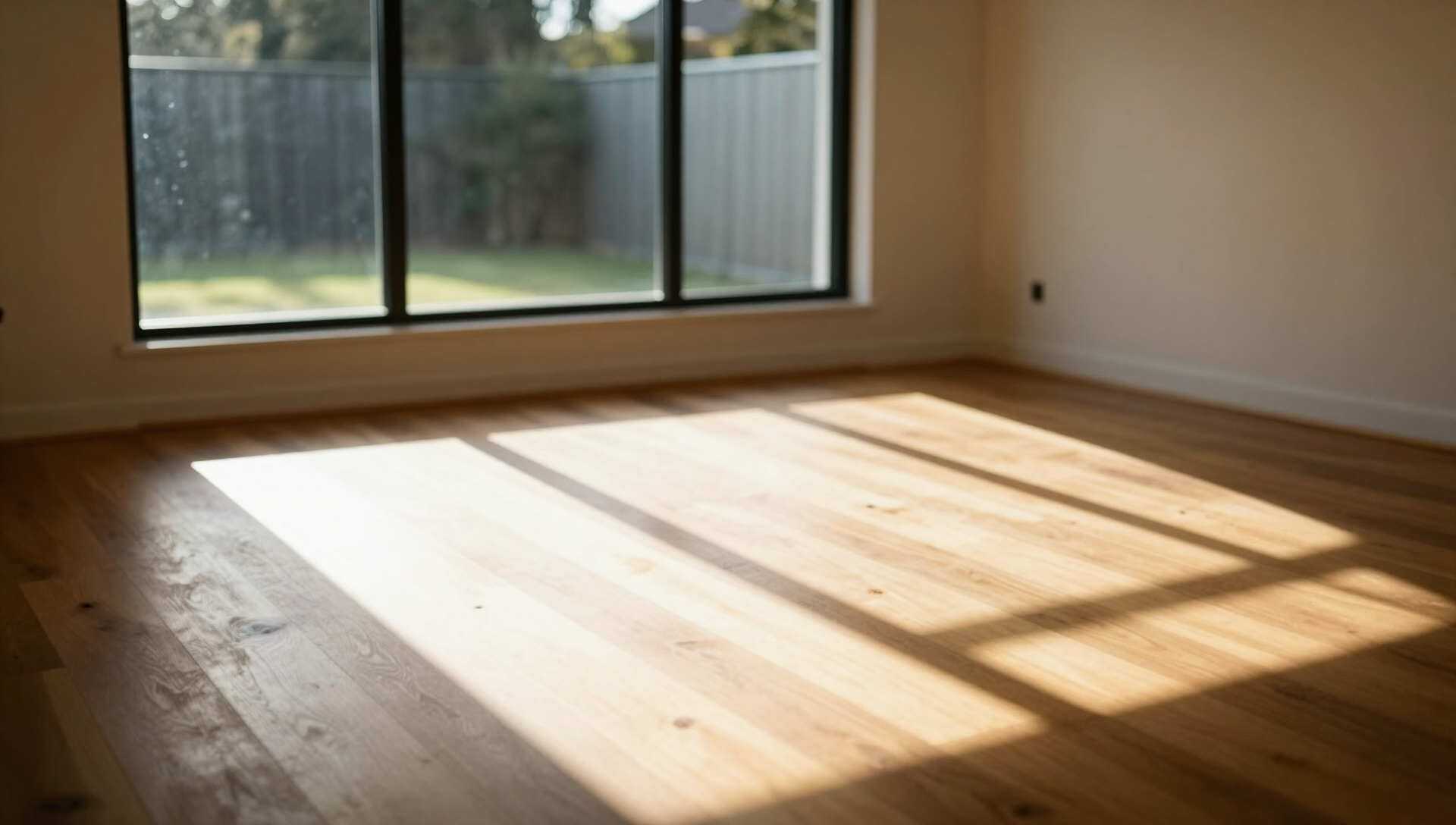
Older Essendon North homes often have uninsulated suspended floors that let cold air in and warm air out. Adding underfloor insulation addresses the specific issues these houses face in Melbourne’s climate.
Insulation under the floorboards stops cold air rising through gaps and cracks. Rooms feel warmer at floor level, so you can set the heater lower and still stay comfortable.
Gaps between floorboards and around skirting let cold air in. Underfloor batts block these draughts, making the whole room feel less chilly and more consistent.
With less cold air entering from below, your heating system does not have to work as hard to maintain temperature. This can reduce energy use and heating bills over winter.
Cold floors are uncomfortable to walk on, especially in bedrooms and living rooms. Insulating under the floor makes these spaces more pleasant to use year round.
In damp Melbourne winters, cold floors can contribute to condensation on windows and walls. Warmer floors reduce this moisture build-up and the risk of mould.
Batts are installed from underneath, so there is no need to remove carpets, floorboards or tiles. The job is done from the subfloor with minimal disruption inside the home.
Installing underfloor insulation requires access to the subfloor and enough crawl space to move along the joists. We work carefully to fit batts snugly without compressing them, which would reduce their R-value.
We start by checking the subfloor for safe access, sufficient height between the ground and joists, and any obstacles like pipes or wiring. If the crawl space is too low or blocked, we discuss options before proceeding.
We measure the distance between joists and cut bulk insulation batts to fit snugly without gaps. Glasswool, polyester or rockwool are common choices, all providing good thermal resistance when installed correctly.
Batts are placed between each joist, supported by the joists themselves or with additional strapping if needed. We ensure no compression and full coverage to maximise the R-value.
After installation, we check for any remaining gaps around pipes or edges and seal them. We then remove all offcuts and debris from the subfloor and site.
Essendon North has a mix of interwar bungalows and postwar brick homes, many with suspended timber floors on stumps. These floors are often uninsulated, letting cold air rise through gaps in the floorboards. Melbourne’s cold, damp winters make this a real issue, as heaters struggle to warm rooms with cold floors. Underfloor insulation is a straightforward way to fix this, with batts installed from the subfloor to block draughts and add thermal resistance. Nearby suburbs like Strathmore and Pascoe Vale have similar housing stock that also benefits from this upgrade.
Stop cold draughts through suspended floors in Essendon North with underfloor insulation.
Homeowners in Essendon North often ask about access, R-values and whether their home is suitable for underfloor insulation. Here are the key points to consider before booking.
Underfloor insulation in Essendon North targets the cold draughts that rise through suspended timber floors in older homes. Many postwar brick and weatherboard houses in the area sit on stumps with uninsulated subfloors, letting cold air enter through gaps in the floorboards. Installing bulk batts between the joists from the subfloor blocks these draughts and adds thermal resistance, typically R1.5 to R2.5, which warms the floor above and reduces heating costs.
The process requires enough crawl space under the house to move along the joists and fit the batts snugly. Glasswool, polyester and rockwool are all effective materials for underfloor insulation, provided they are not compressed. We check for obstacles like pipes or wiring and ensure full coverage between joists. If old insulation is present and might contain asbestos, work stops until a qualified assessor inspects it.
Essendon North’s mix of interwar and postwar homes often have cold floors due to uninsulated subfloors. Underfloor insulation is a practical solution that does not require removing floor coverings, as the work is done from underneath. It reduces draughts, warms floors and can lower heating bills, making it a worthwhile upgrade for many homes in the suburb.
If your Essendon North home has cold floors and suspended timber flooring, underfloor insulation can make a noticeable difference. We provide clear advice on suitability, access and R-value options for your property.